
A cracked tooth can start with something as simple as occasional discomfort when you bite down. In some cases, the symptoms are mild enough that people put off seeing a dentist. The problem is that a crack does not always stay small. Depending on its location and severity, it can eventually affect the inner part of the tooth or make the tooth more difficult to restore.
If you are experiencing pain when chewing, sensitivity to hot or cold foods, or discomfort that seems to come and go, it is worth having your tooth evaluated. Understanding the warning signs and available treatment options can help you protect your smile.
What Causes a Tooth to Crack?
Teeth are strong, but they are exposed to repeated pressure every day. Over time, certain habits or conditions can increase the risk of cracks.
Common causes include:
- Biting down on hard foods such as ice or hard candy
- Chewing on pens, pencils, or other hard objects
- Teeth grinding or clenching
- Previous large fillings that have weakened the remaining tooth structure
- An injury or impact to the mouth
- Normal wear and aging
- Significant changes in temperature that place stress on the tooth
Sometimes there is not one obvious event that caused the crack. A tooth may develop a small fracture gradually after years of repeated stress.
What Does a Cracked Tooth Feel Like?
Cracked teeth do not always cause constant pain. In fact, one of the frustrating things about a cracked tooth is that symptoms can be unpredictable.
You may notice:
- Sharp pain when biting down
- Discomfort when releasing your bite
- Sensitivity to cold or hot foods
- Pain that comes and goes
- Increased sensitivity when eating sweets
- A feeling that one particular tooth is difficult to chew with
- Irritation around the tooth or gums
The location and depth of the crack can influence the symptoms. Some cracks are easier to identify during a dental examination, while others can be more challenging to diagnose.
Why Should You Have a Cracked Tooth Checked?
A crack can sometimes extend further into the tooth over time. Once a fracture becomes more extensive, there may be less healthy tooth structure available for a dentist to preserve.
That does not mean every cracked tooth requires extensive treatment. Some cracks may be minor and simply need to be monitored, while other situations may require restorative treatment.
The important step is determining what is actually happening before assuming the tooth will heal on its own.
Unlike a cut on your skin, a cracked tooth does not naturally grow back together. Early evaluation can help your dentist determine whether the tooth can be protected and what treatment may be appropriate.
How Is a Cracked Tooth Diagnosed?
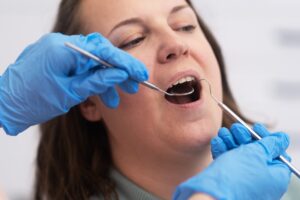
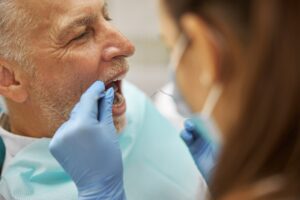
Your dentist may begin by asking when the symptoms started, what triggers them, and whether you have experienced any recent injury or changes in your bite.
An examination may include:
- Looking closely at the tooth
- Checking the surrounding gums
- Evaluating your bite
- Testing the tooth’s sensitivity
- Taking dental X-rays when appropriate
- Using additional diagnostic techniques when necessary
Not every crack is visible on a traditional X-ray, so your symptoms and clinical examination are also important parts of the diagnostic process.
Treatment Options for Cracked Teeth
Treatment depends on the type of crack, its location, how far it extends, and the overall condition of the tooth.
Monitoring a Minor Crack
Some small cracks may not require immediate restorative treatment. Your dentist may recommend monitoring the tooth and making changes to habits that could place additional stress on it.
Regular follow-up is important if a tooth is being monitored so changes can be identified.
Dental Crowns
A dental crown may be recommended when a tooth has lost enough structural strength that it needs additional protection.
A crown covers the tooth and can help protect the remaining structure from the forces of chewing. Whether a crown is appropriate depends on the individual tooth and the extent of the damage.
You can learn more about dental crowns and bridges and how these restorations can be used to repair or replace damaged teeth.
Root Canal Treatment
If a crack extends into the inner portion of the tooth and affects the dental pulp, root canal treatment may be necessary in some cases.
Root canal therapy removes the affected tissue from inside the tooth, cleans the internal space, and seals it. A restoration may then be used to protect the tooth.
Tooth Extraction
Unfortunately, some severely cracked teeth cannot be predictably restored. When a crack extends through a significant portion of the tooth or below the gum in a way that prevents proper restoration, extraction may be considered.
If extraction is necessary, your dentist can discuss options for replacing the missing tooth afterward.
Can You Prevent Cracked Teeth?
You cannot prevent every dental fracture, but several simple habits can reduce unnecessary stress on your teeth.
Avoid chewing on ice and other hard objects, and be mindful of habits such as biting pens or using your teeth to open packages.
If you grind or clench your teeth, talk with your dentist about whether additional protection may be appropriate. Wearing a properly designed dental appliance may help reduce the effects of grinding for some patients.
Regular dental examinations can also help identify weakened teeth or existing restorations that may need attention.
What Should You Do If You Think You Have a Cracked Tooth?
Do not ignore recurring pain simply because it disappears between meals. Symptoms that come and go can still indicate an underlying dental problem.
If you develop significant pain, swelling, or an injury involving a tooth, prompt evaluation is especially important. Sapphire Family Dentistry also provides emergency dental care for dental problems that need timely attention.
For patients with dental anxiety, sedation dentistry may also be an option depending on the treatment and individual circumstances.
Protect Your Smile With Timely Dental Care
A cracked tooth can be difficult to diagnose based on symptoms alone, and treatment varies from one patient to another. The sooner a suspicious tooth is evaluated, the sooner you can understand what is happening and discuss appropriate options.
If you are experiencing sensitivity, pain when biting, or other unusual symptoms, schedule an evaluation with Sapphire Family Dentistry in Katy, TX. Taking care of the problem early may help protect your natural tooth and prevent the situation from becoming more complicated.